

Is Natto Keto-Friendly? Exploring This Fermented Food
The ketogenic diet, commonly referred to as the “keto” diet, has gained immense popularity for its potential benefits in weight loss and metabolic health. However, the diet’s strict carbohydrate limitations make it essential to scrutinize each food item for its keto compatibility. One such food that often raises questions is natto—a traditional Japanese fermented soybean dish. In this blog post, we will explore whether natto is keto-friendly, delving into its nutritional profile, health benefits, and how it can fit into a ketogenic lifestyle.
What is Natto?
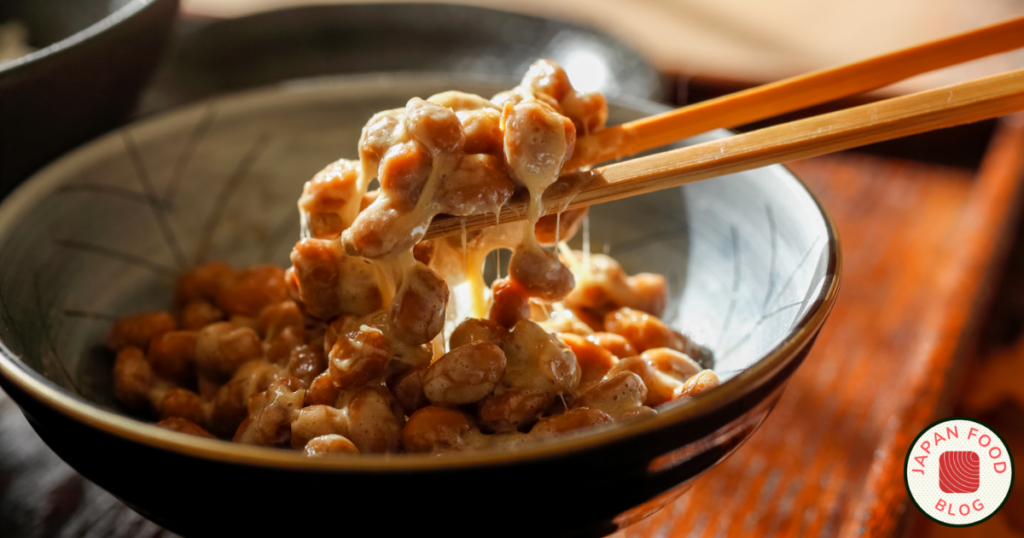
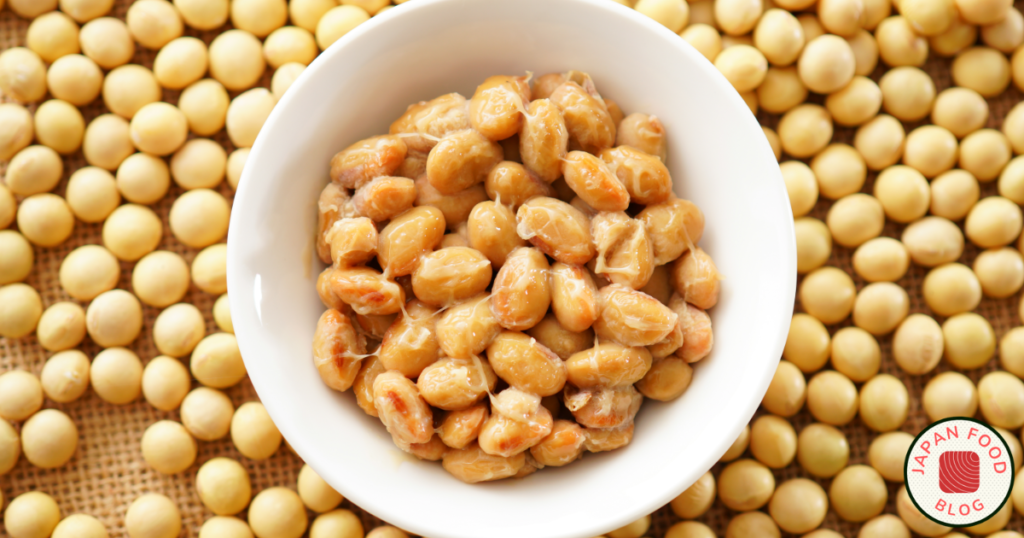
Natto is a traditional Japanese food made from fermented soybeans. It is known for its strong smell, sticky texture, and unique flavor, which can be an acquired taste for many. The fermentation process involves the introduction of Bacillus subtilis bacteria, which transform the soybeans into a nutrient-dense food. Natto is often enjoyed with rice, but it can also be used in various dishes such as sushi, salads, and soups.
Nutritional Profile of Natto
Understanding the nutritional content of natto is crucial for determining its compatibility with the keto diet. Here is a breakdown of the key nutrients found in a typical serving of natto (100 grams):
- Calories: 212 kcal
- Protein: 18.2 grams
- Fat: 11 grams
- Carbohydrates: 14 grams
- Fiber: 5.4 grams
- Sugar: 3 grams
Key Takeaway: Natto is relatively high in protein and fat, with a moderate carbohydrate content. Its fiber content helps reduce the net carbs, making it a potentially keto-friendly option.
Is Natto Keto-Friendly?

To maintain the coveted state of ketosis, where your body burns fat for fuel instead of carbohydrates, you typically need to limit your daily carb intake to around 20-50 grams. This low-carb threshold ensures your body remains in fat-burning mode, making every gram of carbs count.
Natto’s Carbohydrate Profile
At first glance, natto might raise eyebrows among keto dieters due to its carbohydrate content. A 100-gram serving of natto contains 14 grams of total carbohydrates. However, this number doesn’t tell the whole story. The secret lies in the fiber content.
Why Fiber Matters: Calculating Net Carbs
Fiber, a type of carbohydrate that your body doesn’t digest, plays a crucial role in calculating net carbs. Net carbs are what truly impact your blood sugar levels. To find the net carbs, subtract the fiber content from the total carbohydrates.
- Total Carbs: 14 grams
- Fiber: 5.4 grams
- Net Carbs: 8.6 grams
With its net carb count sitting at 8.6 grams per 100 grams, natto becomes a more appealing option for those on a keto diet, as long as it’s consumed in moderation.
Health Benefits of Natto
Natto is not only potentially keto-friendly but also boasts numerous health benefits:

Rich in Probiotics: Boost Your Gut Health Naturally
When it comes to gut health, probiotics are your best friend. The fermentation process of natto results in a food teeming with beneficial bacteria. These probiotics play a crucial role in improving digestion and enhancing the health of your gut microbiome. A healthy gut is linked to numerous benefits, including better nutrient absorption, a stronger immune system, and even improved mental health.
High in Protein: Plant-Based Powerhouse
For those seeking an excellent source of plant-based protein, natto delivers impressively with 18.2 grams of protein per serving. This makes it a fantastic option for vegetarians, vegans, or anyone looking to diversify their protein sources. Protein is essential for building and repairing tissues, making enzymes and hormones, and supporting overall muscle health.
Vitamin K2: Essential for Bone and Heart Health
Natto stands out as one of the best dietary sources of vitamin K2. This vitamin is vital for maintaining strong bones and a healthy cardiovascular system. Vitamin K2 helps direct calcium to the bones and teeth while preventing its accumulation in the arteries. This not only supports bone density but also reduces the risk of cardiovascular diseases.
Anti-Inflammatory Properties: Nature’s Way to Combat Inflammation
One of the unique compounds found in natto is nattokinase, an enzyme with impressive anti-inflammatory and cardiovascular benefits. Nattokinase has been shown to support heart health by reducing blood clot formation and lowering blood pressure. Its anti-inflammatory properties also make it a valuable ally in managing chronic inflammation, which is linked to several health issues, including heart disease and arthritis.
How to Incorporate Natto into a Keto Diet
Incorporating natto into a keto diet can be a delicious and nutritious addition. Here are some practical tips on how to enjoy natto while staying keto-friendly:
Natto Avocado Salad
Combine natto with diced avocado, a drizzle of olive oil, and a sprinkle of sesame seeds for a nutrient-packed, keto-friendly salad.
Natto Egg Scramble
Add natto to your morning egg scramble along with some spinach and cheese for a high-protein, low-carb breakfast.
Natto Sushi Rolls
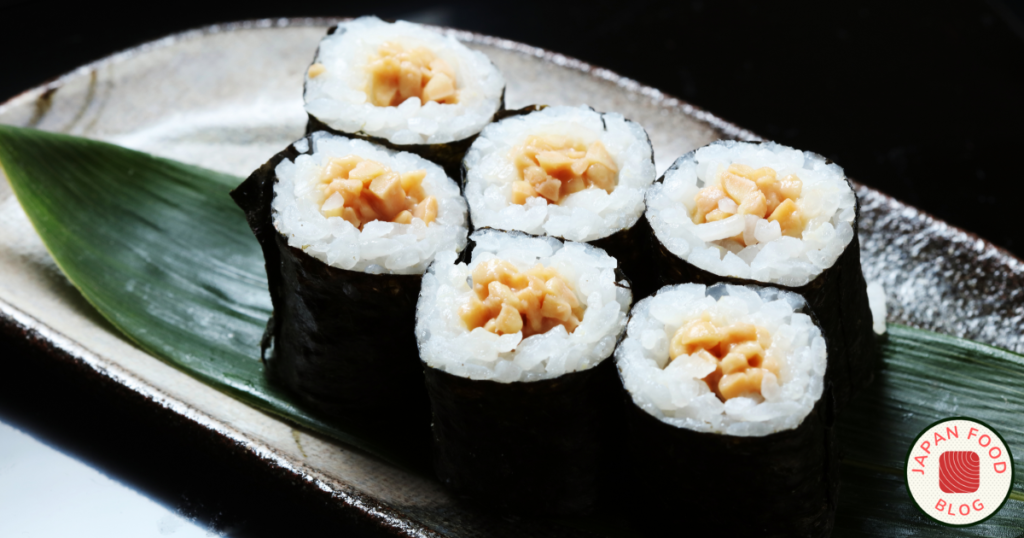
Make keto-friendly sushi rolls using cauliflower rice, nori sheets, and natto for a satisfying meal that won’t knock you out of ketosis.
Natto Smoothie
Blend natto with unsweetened almond milk, a scoop of protein powder, and a handful of spinach for a probiotic-rich, low-carb smoothie.
Potential Downsides of Natto
While natto offers numerous health benefits, there are some potential downsides to consider:
- Acquired Taste: The strong smell and sticky texture of natto can be off-putting for some people.
- Carbohydrate Content: Although natto can fit into a keto diet, its carbohydrate content requires mindful consumption.
- Allergies: Soy is a common allergen, so individuals with soy allergies should avoid natto.
Conclusion
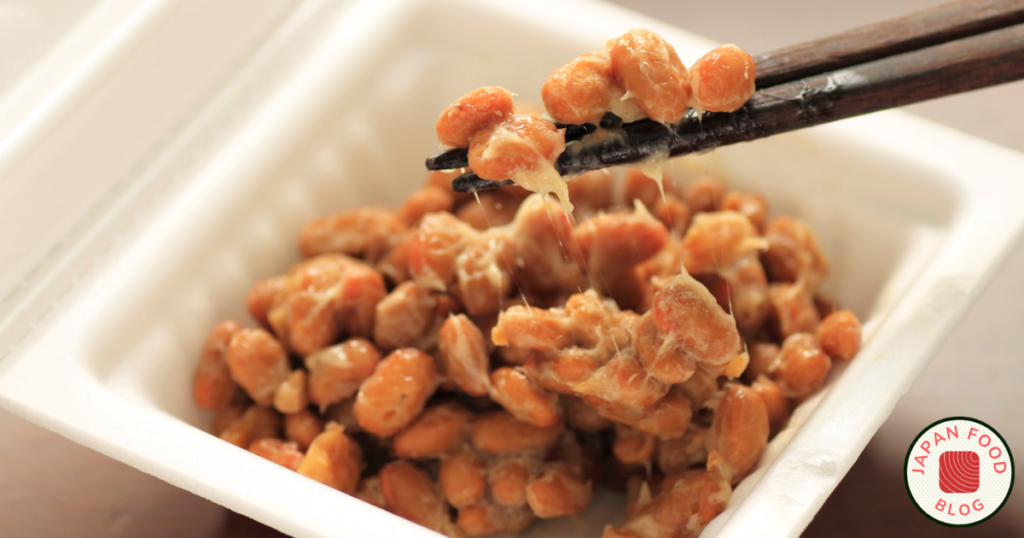
Natto is a unique, nutrient-dense fermented food with potential benefits for those following a ketogenic diet. With its high protein and fat content, along with a moderate amount of net carbs, natto can be a valuable addition to a keto meal plan when consumed in moderation. Its rich probiotic content, high levels of vitamin K2, and anti-inflammatory properties further enhance its appeal. However, its strong flavor and sticky texture may require some getting used to.
Ultimately, whether natto is keto-friendly depends on individual dietary preferences and carbohydrate limits. By incorporating natto thoughtfully and balancing it with other low-carb foods, you can enjoy its unique taste and health benefits while staying on track with your keto goals.
Have you tried natto on your keto journey? Share your experiences and favorite recipes in the comments below!

